
In the realm of home renovation, a seamless transition from old to new begins with meticulous planning, and at the forefront stands house clearance before renovation. This process, often overlooked, is pivotal in preparing spaces for transformative changes. As folks embark on the journey of revamping their living areas, understanding the benefits of professional junk removal and efficient debris management becomes crucial. This comprehensive guide delves into the intricacies of house clearance, offering strategies for organized decluttering, safe disposal, and eco-friendly alternatives. From navigating legal considerations to maximizing space efficiency post-clearance, we explore the multifaceted aspects of this essential step, ensuring a smooth path to your renovation goals.
- Planning House Clearance Before Renovation: Strategies for Efficient Debris Management
- Navigating Legalities: Preparing for Renovations with Safe Disposal Methods
- Post-Clearance Transformation: Maximizing Space Efficiency and Eco-Friendly Practices
Planning House Clearance Before Renovation: Strategies for Efficient Debris Management

Planning house clearance before renovation is a strategic process that involves meticulous debris management, especially for large-scale projects. It's more than just clearing out old furniture; it's about preparing your space for a successful transformation while ensuring historical preservation in home renovations. This involves carefully sorting and categorizing items, from valuable keepsakes to recyclable materials, to facilitate an efficient post-clearance landscape.
A structured approach begins with assessing the scope of work and setting realistic goals. Identify areas requiring renovation and understand the legal considerations for property clearance. Engage reliable professional services that specialize in house clearance before renovation; their expertise ensures safe disposal methods and eco-friendly alternatives, aligning with current sustainability trends. For instance, consider recycling or repurposing materials to minimize waste, reflecting a commitment to long-term environmental benefits.
Historical preservation in home renovations is crucial for maintaining a neighborhood's character. During the clearance process, carefully document and store items of historical significance. Consult local regulations regarding house demolition and clearance, as these govern what can be discarded and how. After clearing out, the role of landscaping in post-clearance planning becomes evident; it helps transform the space into a cohesive, attractive environment that supports the new design. Visit us at House decluttering service for tailored solutions to streamline this transition.
Navigating insurance claims after clearing out requires meticulous record-keeping. Document every step, from initial assessments to final disposals, to support any future claims accurately. Emotionally preparing for a fresh start is an essential aspect often overlooked; organizing your space can have profound effects on mental health and well-being. By minimizing stress through organized clearance, you lay the foundation for a calm, efficient renovation period.
Navigating Legalities: Preparing for Renovations with Safe Disposal Methods
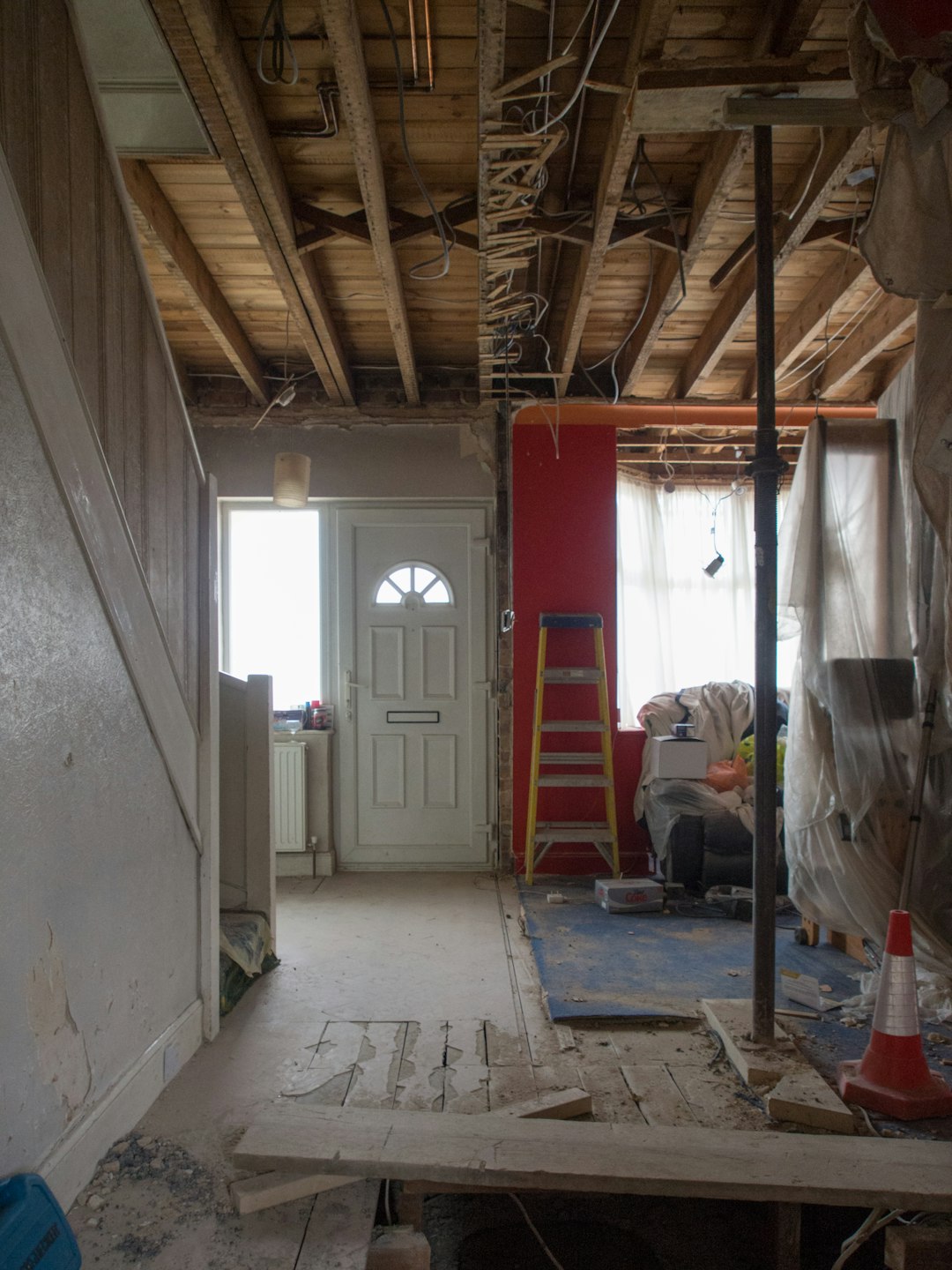
Before embarking on a house renovation, navigating the legalities of house clearance is crucial for a safe and compliant process. Understanding local regulations for house demolition and clearance is essential to ensure your project adheres to building codes and environmental standards. Each jurisdiction has its own set of rules and guidelines, so it's imperative to research and comply with these requirements to avoid legal repercussions.
One key aspect is proper disposal of materials, especially hazardous ones. As you prepare for renovations, safe disposal methods become paramount. This includes responsible recycling of construction waste, proper handling of asbestos or lead-based paint, and appropriate disposal of electrical and plumbing materials. Professional junk removal services can offer specialized collection and disposal options, ensuring these items are handled according to legal and safety standards. For instance, local regulations might mandate specific collection points or methods for hazardous waste, which professionals are well-versed in adhering to.
Futureproofing your home post-renovation is another legal consideration. Historical preservation in home renovations plays a significant role in maintaining the architectural integrity and character of older properties. If your home has historical significance, there may be restrictions on the types of changes you can make. Understanding these regulations early on ensures your renovation plans align with legal requirements and preserve the building's historical value. Additionally, proper documentation, such as before photography, can be crucial for tracking changes and potential insurance claims, safeguarding your investment and providing a clear record of the property's state before the renovation.
When preparing for renovations, it's beneficial to consult with professionals who can guide you through the legalities of house clearance. They can offer expert advice tailored to your location and project scope, ensuring compliance with local regulations for house demolition and clearance. By prioritizing these legal aspects, you can create a seamless and stress-free renovation process, knowing you've navigated the complexities and protected your interests throughout.
Post-Clearance Transformation: Maximizing Space Efficiency and Eco-Friendly Practices

Post-clearance transformation is a crucial stage in the house renovation process. It involves transforming the chaotic aftermath of a house clearance into a serene, efficient, and eco-friendly living space. This period is an opportunity to maximize space utilization, reduce environmental impact, and create a fresh, organized environment.
After a professional house clearance, the first step is to assess the remaining space. Efficient storage solutions, such as custom-fitted shelving or multifunctional furniture, can significantly enhance space efficiency. Utilizing vertical space, installing under-bed storage, or employing creative hanging solutions can dramatically reduce clutter and free up valuable real estate. For instance, a well-planned storage system in a bedroom can transform a small space into a tranquil retreat, where every item has its place.
Revitalizing neighborhoods through creative clearance practices is another aspect of maximizing space efficiency. Donating or selling unwanted items from a house clearance not only helps others but also contributes to a circular economy. Local thrift stores, charity shops, and online marketplaces provide platforms for repurposing items, ensuring they find new homes and reducing the demand for new resources. For example, an old bookshelf cleared from a renovation project can find a new purpose in a local school, providing a space for students to display their projects.
Moreover, embracing sustainable practices during the post-clearance phase aligns with the benefits of professional junk removal. Many clearance companies now offer recycling and waste reduction services, ensuring that materials like wood, metal, and plastics are given new life. This approach not only minimizes the environmental footprint of the renovation but also contributes to a greener, more sustainable community. For instance, Secure off-site storage facilities can play a role by providing temporary storage for items that require recycling or upcycling, allowing for a more deliberate and eco-conscious approach to disposal.
In transforming chaos into calm spaces, it's essential to adopt strategies that promote organization and minimalism. Implementing a "one-in, one-out" policy for new items, for example, can prevent excessive accumulation. This practice encourages conscious consumption and ensures that each item brought into the space serves a purpose, leading to a more peaceful and efficient living environment. By combining efficient space planning, eco-friendly practices, and mindful consumption, the post-clearance transformation becomes a catalyst for a healthier, happier, and more sustainable home.
In planning house clearance before renovation, this comprehensive guide has equipped readers with strategic insights for efficient debris management. Key takeaways include the importance of professional junk removal services for cost-effectiveness and safety, eco-friendly alternatives to minimize environmental impact, and navigating legal considerations to ensure compliance. Post-clearance, maximizing space efficiency and embracing sustainable practices transform chaotic spaces into calm, organized environments. Understanding the long-term benefits of decluttered living areas encourages futureproofing through strategic renovation. By synthesizing these learnings, homeowners can embark on their renovation journey with confidence, leveraging professional help, adhering to legalities, and fostering community engagement for a revitalized and environmentally conscious space.
Planning house clearance before renovation involves meticulous debris management, historical preservation, and efficient post-clearance planning. Key steps include:
1. Assess Scope & Goals: Identify renovation areas and legal considerations for property clearance.
2. Engage Professionals: Use specialized services for safe disposal, recycling, and eco-friendly alternatives.
3. Document & Store History: Carefully document and store items of historical significance.
4. Landscaping in Post-Clearance: Transform the space into an attractive, cohesive environment.
5. Record-Keeping for Insurance: Document every step for accurate insurance claims.
6. Emotional Preparation: Minimize stress through organized clearance for a calm renovation period.
After clearance, focus on:
- Efficient space utilization through storage solutions.
- Donating/selling unwanted items for a circular economy.
- Sustainable practices like recycling and upcycling.
- Adopting organizational strategies for a minimal, peaceful living environment.