
House Clearance Before Renovation photography is crucial for property owners and contractors, providing an accurate visual record of spaces. These images aid in dispute resolution, hazardous material identification, compliance with regulations, and neighborhood transparency. Meticulous documentation through photography is vital for cost estimation, design planning, quality control, and promoting a circular economy by reducing waste. Professional junk removal services vary, while estate sales cater to unique needs. Comprehensive "before" photos enable accurate comparisons, progress assessment, legal compliance, and informed decision-making during house clearance before renovation.
In the realm of renovation and restoration, documenting the before state of a space is paramount for successful projects. House Clearance Before Renovation serves as a critical foundation, offering a comprehensive visual reference essential for both professionals and homeowners. However, capturing accurate and detailed images can be challenging, especially in cluttered or neglected properties. This article delves into the art of pre-renovation photography, providing expert insights on techniques to document spaces effectively. We’ll explore strategies to overcome common obstacles, ensuring every detail is preserved for future reference during House Clearance processes and beyond.
- Understanding the Purpose of Before Photography
- Preparing for House Clearance Before Renovation
- Capturing Essential Rooms and Areas
- Documenting Detailed Features and Fixtures
- Ensuring Accurate Representation of Space
- Utilizing Before Photos for Effective Planning
Understanding the Purpose of Before Photography

Before photography plays a pivotal role in any renovation project, serving as a critical reference point for both the property owner and the contractor. The primary purpose of House Clearance Before Renovation photography is to create an accurate visual record of the space, capturing every detail to ensure seamless transition between the ‘before’ and ‘after’. This practice is not merely about documenting; it’s a strategic tool that facilitates effective communication, safeguards against disputes, and fosters a positive community during renovations.
For instance, consider a property undergoing a major overhaul. Before photos meticulously document each aspect of the space—from structural elements to fixtures, from wall colors to floor patterns. This visual inventory becomes invaluable when unexpected issues arise or when specific design elements need to be replicated post-renovation. Moreover, these images serve as irrefutable evidence of the initial state of the property, establishing clear contractual obligations and protecting both parties during the renovation process.
A step-by-step guide to safe disposal methods is also integral to this process. Before photos can help identify hazardous materials like lead paint or asbestos, guiding proper removal and disposal. Understanding these obligations beforehand not only ensures compliance with local regulations but also prevents potential health risks for residents and contractors. For instance, data from the Health and Safety Executive indicates that around 30% of renovation projects involve exposure to hazardous substances, highlighting the importance of pre-renovation assessments and documentation.
Building a positive community during renovations is another advantage of comprehensive before photography. By sharing these images with neighbors, local authorities, and relevant stakeholders, you foster transparency and understanding. This can help mitigate concerns about noise, debris, or access, leading to smoother operations and more harmonious relations within the neighborhood. As Efficient Property Decluttering experts, we find that this approach not only streamlines our processes but also enhances client satisfaction by setting clear expectations from the outset.
Preparing for House Clearance Before Renovation

When preparing for a house clearance before renovation, meticulous documentation through photography is essential. This step serves as a crucial reference point during the transformation process, allowing for accurate cost estimation, design planning, and quality control. Capture detailed images of every room, focusing on key features, structural elements, and existing conditions—including any unique architectural details or historical significance.
Consider the potential of revitalizing neighborhoods through creative clearance strategies. For instance, documenting a space before renovation can illustrate the scope of work required to transform an outdated home into a modern residence, inspiring local communities and investors alike. Moreover, this practice enables homeowners to make informed decisions about material disposal, recycling, or upcycling possibilities, contributing to sustainable practices in the construction industry.
A cost breakdown comparing different clearance options is vital for budget planning. Traditional house clearance services typically involve labor-intensive processes, while self-directed methods offer cost savings but may require significant physical effort. For instance, a 2022 study by the National Association of Professional Organizers (NAP) revealed that professional clearances can range from $150 to $400 per hour, depending on scope and location. Conversely, DIY approaches using rental containers or local dump fees can reduce expenses but may still incur significant costs for labor or equipment rental.
Before embarking on any renovation project, thoroughly prepare by documenting the house clearance process. This strategic approach ensures a seamless transition from demolition to construction, revitalizing spaces while respecting the past and shaping the future of neighborhoods. Find us at Clear out clutter to learn more about efficient and cost-effective clearance solutions tailored to your renovation needs.
Capturing Essential Rooms and Areas

When documenting the before state of a property for reference during house clearance before renovation, it’s crucial to capture essential rooms and areas comprehensively. This step serves as a critical foundation for both practical and sustainable renovation practices. Start by meticulously photographing each room, focusing on key features, architectural details, and any unique aspects that might be altered or lost during the renovation process. The art of documenting extends beyond mere aesthetics; it involves noting dimensions, identifying structural elements, and documenting existing fixtures and fittings. For instance, a professional photographer equipped with precise measuring tools can provide valuable data for accurate rebuilding or redesign.
Capturing these details not only aids in preserving the memory of the space but also offers numerous benefits during the renovation phase. Professional junk removal services, for example, can be more efficient when they have a clear understanding of the property’s layout and contents prior to clearance. This leads to faster disposal or recycling processes, aligning with sustainable practices for renovation projects. Moreover, having detailed documentation facilitates effective donation management post-clearance. By categorizing and documenting items that are in good condition, you can facilitate their transition to new homes through local charities or online platforms, fostering a culture of sustainability and community support.
The benefits of professional junk removal extend beyond the immediate project site. By partnering with responsible disposal companies, renovators contribute to a circular economy, reducing waste and minimizing environmental impact. For instance, data from the EPA indicates that proper recycling and reuse of construction materials can divert significant amounts of waste from landfills. In light of these considerations, it’s essential to view house clearance before renovation as an opportunity to lay the groundwork for both practical efficiency and sustainable practices.
To ensure a comprehensive approach, consider creating a structured inventory of every room and area, including floor plans and detailed notes on specific features. This meticulous process becomes a valuable resource throughout the renovation journey. For those looking to delve deeper into these practices, visiting us at Renovate with purpose can offer tailored guidance and expert insights, ensuring your next renovation project is not only aesthetically pleasing but also aligned with sustainable and responsible practices.
Documenting Detailed Features and Fixtures
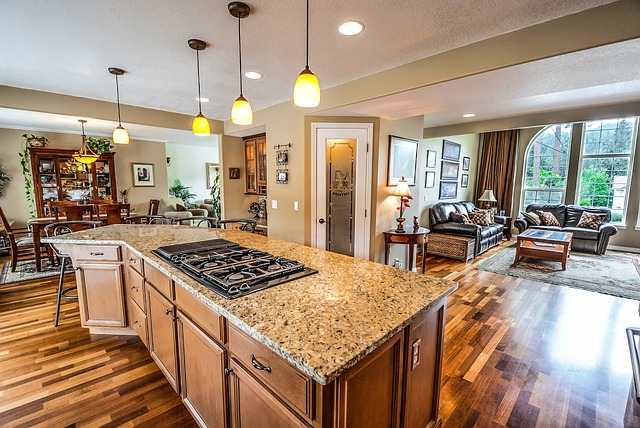
When preparing a house for renovation, meticulous documentation through before photography is an invaluable step. Among the many aspects to consider during this process, paying close attention to detailed features and fixtures can significantly impact the renovation’s outcome. These elements often tell a unique story about the property’s history and can influence design decisions moving forward.
In the context of house clearance before renovation, capturing high-quality images of every nook and cranny is crucial. From architectural details like intricate moldings and original hardware to functional components such as lighting fixtures and built-in shelves, these visual references serve as a comprehensive library for both renovators and future homeowners. For instance, during an estate sale or auction—whether choosing between the former or opting for the latter, as each has its merits—a detailed before photo document ensures that the selling party captures the full scope of what’s included in the sale, minimizing disputes later. This is particularly important when dealing with older properties that may have unique or antique fixtures.
Moreover, legal considerations come into play during house clearance, especially when dealing with insurance claims. Documentation assists in verifying the state of the property before any removal or alteration, which can be crucial in navigating insurance settlements. For instance, if a homeowner decides to clear out significant portions of their home ahead of renovation, proper documentation and understanding of legal rights ensure a smooth process. As an expert in space planning for remodel, we encourage clients to visit us at [brand/NAP] to discuss how these steps can be seamlessly integrated into their renovation plans, ensuring a successful transition from the old to the new.
Ensuring Accurate Representation of Space
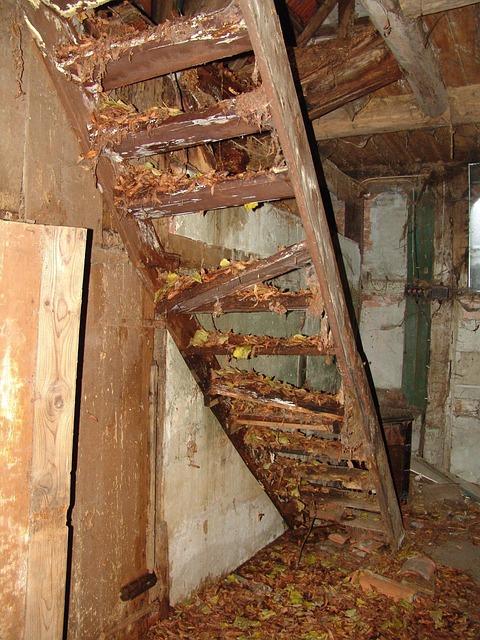
When embarking on a house clearance before renovation project, meticulous documentation through photography is paramount to ensure an accurate representation of the space. This step serves as a crucial reference point during the transformation process and beyond. Each image captures a snapshot of the room’s current state, from architectural details to unique features, often overlooked during chaotic hoarding situations.
Accurately documenting the house clearance before renovation allows for informed decision-making throughout the revamp your space journey. Professional photographers or dedicated documentation teams should focus on capturing high-quality images from various angles, ensuring every aspect of the room is visible. This includes detailed shots of walls, floors, ceilings, fixtures, and any notable architectural elements that may be altered or removed during demolition. By examining these photographs later, renovators can assess the scope of work more precisely, compare progress, and maintain a consistent vision for the finished product.
Moreover, considering local regulations for house demolition and clearance is essential to avoid legal complications and ensure a smooth transition. Proper documentation also aids in minimizing stress with organized clearance, as it provides a clear picture of what needs to be moved, recycled, or disposed of. For instance, identifying specific materials that can be repurposed or upcycled into creative ideas for old materials can significantly impact environmental sustainability and reduce construction waste.
In the realm of house clearance before renovation, meticulous documentation is not just a practical step; it’s an art that bridges the gap between the past and the envisioned future of your space. Visit us at Post-hoarding cleanup to learn more about how our expert team leverages these techniques for optimal results.
Utilizing Before Photos for Effective Planning

Before you begin any house clearance before renovation, it’s crucial to recognize the immense value of documenting the “before” state of your property. These photographs serve as a critical reference point during the renovation process and beyond. By capturing every detail, from structural elements to aesthetic features, you create a comprehensive visual record that aids in effective planning. This is particularly essential when navigating legal rights during property clearance, ensuring compliance with regulations and facilitating smoother transitions.
Professional junk removal offers numerous benefits, including efficient waste management and potential cost savings. However, not all junk removal services are created equal. Estate sales and auctions present distinct advantages, each catering to different needs. For instance, estate sales are ideal for selling high-value items and family heirlooms, while auctions can be more suitable for bulk clearance or unique, one-of-a-kind pieces. Understanding these options empowers you to make informed decisions that align with your goals during the house clearance process.
Imagine embarking on a renovation project only to realize mid-way through that certain elements require more attention than initially thought. This is where comprehensive before photos become invaluable. They allow for accurate comparisons, enabling you to assess progress and identify potential issues promptly. Moreover, these visual records facilitate seamless transition to remodel exactly once, minimizing costly mistakes and ensuring your renovation stays on track. By prioritizing professional documentation, you’re not just preparing for the present; you’re securing a legacy that guides future decisions regarding your property.
By meticulously documenting the space through before photography during house clearance before renovation, you gain an invaluable reference tool. Understanding the purpose of these images allows for accurate representation of the initial state of the property, facilitating informed decision-making throughout the renovation process. Preparing thoroughly by capturing essential rooms and detailed features ensures a comprehensive visual record. This enables effective planning, aiding in the precise allocation of resources and time during the subsequent renovation phase. Leveraging before photos as a strategic resource empowers you to navigate house clearance and renovation with confidence, ensuring outcomes that align with your vision.