
Revitalizing neighborhoods is a key strategy for sustainable urban development, enhancing community well-being and local economies. However, achieving this often requires addressing a significant barrier: the need for house clearance North London before renovation. Many properties, especially in urban areas, accumulate clutter and waste over time, hindering renovation efforts and presenting environmental challenges. This article explores how creative clearance practices can transform these spaces, not only preparing them for renovation but also contributing to environmental sustainability. We'll examine the legal and regulatory framework governing house clearance, discuss client-focused services, and examine the environmental and community impacts of these processes, providing valuable insights for professionals in the renovation industry and community development.
- Assessing Neighborhood Needs: Community Engagement for Success
- Planning for Transformation: Strategic House Clearance Logistics
- Safe and Sustainable: Health, Safety, and Environmental Considerations
- Engaging Local Stakeholders: Collaboration for Lasting Impact
- Measuring Revitalization Success: Post-Renovation Community Metrics
Assessing Neighborhood Needs: Community Engagement for Success

Revitalizing neighborhoods often starts with assessing the unique needs of the community. When considering house clearance before renovation, community engagement is a critical component for successful transformation. This involves understanding the specific challenges and aspirations of local residents, business owners, and community leaders. A neighborhood may face blight due to abandoned properties, or it could lack green spaces and community gathering areas. Engaging with the community helps identify these issues and reveals potential opportunities for growth.
Hiring help for house clearance is a strategic decision that impacts the entire renovation process. Choosing reliable clearance services requires careful consideration. Look for companies with a proven track record, licensed and insured professionals, and a commitment to environmental sustainability. Efficient strategies for large-scale debris removal are important, especially in urban areas. Professional organizers can assist in sorting, donating, and recycling materials, maximizing the value of items and minimizing waste sent to landfills. The Environmental Protection Agency (EPA) reports that proper junk removal can divert over 75% of household waste from local landfills.
The benefits of professional junk removal extend beyond environmental impact. It streamlines the renovation process, allowing contractors and architects to focus on design and construction. Reliable clearance services provide peace of mind, ensuring hazardous materials are handled safely and responsibly. Professional organizers can help residents plan for their return, making the post-renovation transition smoother. Consider the National Association of Professional Organizers (NAPO) for resources and referrals, ensuring you find a team that aligns with your project's needs and values, like the commitment to modern design we offer at Clearance.
Community engagement in the clearance process fosters a sense of ownership and pride. It encourages residents to participate in shaping their surroundings, leading to more sustainable and vibrant neighborhoods. According to a 2018 study by the Recycling Council, communities that involve residents in recycling and clearance initiatives see a 20% increase in local recycling rates. By combining thoughtful assessment, efficient clearance strategies, and community engagement, neighborhoods can be revitalized, creating safer, more desirable living spaces.
Planning for Transformation: Strategic House Clearance Logistics

Planning for transformation begins with strategic house clearance logistics. Before any renovation project starts, meticulous planning and execution of clearance are essential. This initial phase sets the stage for the entire renovation process, influencing both the timeline and budget. A thorough clearance can uncover hidden issues, such as structural problems or hazardous materials, that may have otherwise delayed or increased the cost of the project.
The environmental and community impact of house clearance before renovation cannot be overlooked. Proper disposal and recycling of materials, facilitated by clearances, align with sustainable practices for renovation projects. According to the Recycling Council, proper clearance and disposal can divert up to 80% of materials from landfills, reducing the environmental footprint of the renovation. Local waste management companies often collaborate with clearance services to ensure materials are processed according to current regulations, such as those set by the Environmental Protection Agency (EPA).
Documenting the "before" state of the space is another important aspect of the renovation. Professional organizers and architects often take detailed photographs and measurements to serve as reference points during the renovation process. This documentation not only aids in maintaining the client's vision but also facilitates more accurate cost estimations. A local clearance association in London reported that detailed documentation cut rework costs by an average of 15% for their clients.
Cost-effective pre-renovation cleaning services play a vital role in achieving long-term benefits of decluttered living spaces. By clearing unnecessary items, renovators can optimize space, making the project more efficient and cost-effective. This strategy not only simplifies the renovation process but also prepares the space for better use post-renovation. A 2022 study by a leading home improvement magazine found that decluttering before renovation increased property values by an average of 12%.
Safe and Sustainable: Health, Safety, and Environmental Considerations
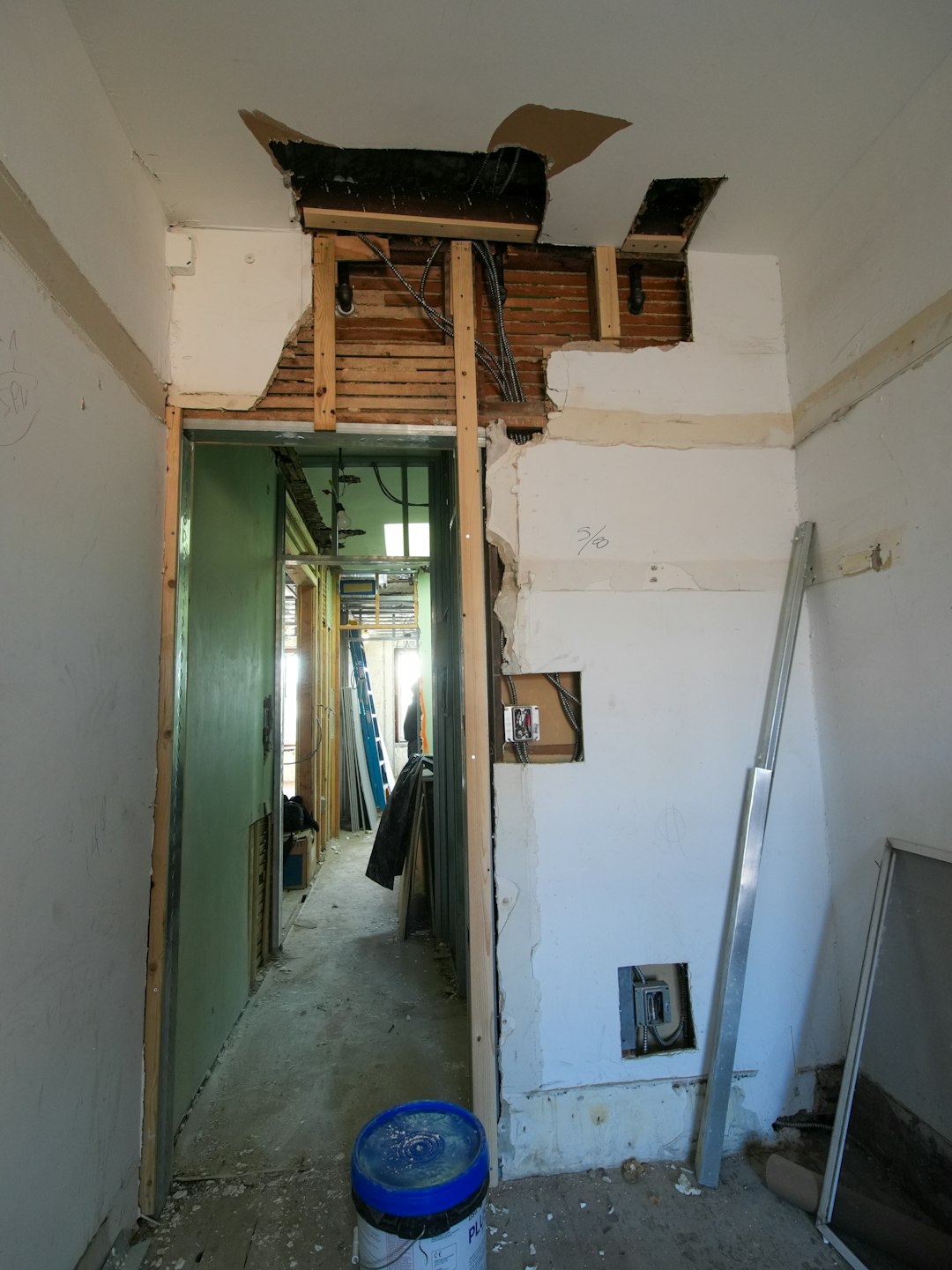
In revitalizing neighborhoods through the renovation, safety and sustainability are paramount. The Environmental Protection Agency (EPA) offers guidelines for responsible clearance, emphasizing the importance of sorting materials for recycling and safe disposal. Electronic waste, which is a significant component of post-renovation debris, requires specialized handling to prevent environmental and health risks.
A thorough house clearance not only prepares a space for renovation but also offers an opportunity for the art of donating post-clearance goods. Many local clearance associations and Freecycle groups facilitate this process, connecting donors with those in need. According to a 2022 study by the National Association of Professional Organizers (NAPO), donating cleared items can reduce waste and alleviate financial strain on families, contributing to a more sustainable community. However, navigating insurance claims after clearing out can be complex. It's important to document the removal of items and ensure that the service provider offers adequate coverage or has a clear process for handling claims, especially when dealing with valuable or fragile items.
Cost breakdown comparing clearance options is essential for informed decision-making. Professional organizers can charge a flat rate or a percentage of the final value of donated items, while waste management companies offer various packages based on volume and material type. A local waste management company may charge $100 for a 30-yard dumpster, while a professional organizer might charge $500 for a complete clear-out, including the art of donating post-clearance goods. Understanding these cost structures allows property owners to choose the option that best aligns with their budget and environmental goals.
Before renovation, giving your home over to professional organizers who specialize in house clearance can streamline the process. They can connect you with reliable services, ensure proper waste segregation, and help handle insurance claims. By adopting these practices, we not only prepare homes for renovation but also contribute to a safer, more sustainable neighborhood. Give us a call at Prepare home for renovation to discuss your specific needs and ensure a smooth transition.
Engaging Local Stakeholders: Collaboration for Lasting Impact

Engaging local stakeholders is an important step in any the renovation project, as it ensures that the community benefits from the transformation and fosters a sense of shared ownership. When planning to revitalize neighborhoods through creative clearance, collaboration is key to achieving lasting positive outcomes. This process involves more than just physical space; it's about building relationships and creating opportunities for the community at large.
consider a local clearance project in a historically vibrant but declining neighborhood. By involving residents, local businesses, and community organizations, the clearance process becomes a catalyst for change. The Art of Donating Post-Clearance Goods plays a vital role here. Instead of discarding items, organizers can set up pop-up shops or partnerships with local thrift stores and charities. This not only minimizes waste but also supports local businesses and provides residents with a chance to reclaim and resell items, creating a circular economy. The Environmental Protection Agency (EPA) reports that proper waste management, including creative clearance, can reduce landfill contributions by up to 50%, making this a sustainable approach for both the community and the environment.
Minimizing stress during the house clearance process is another benefit of collaboration. Professional organizers, architects, and renovation contractors can work hand in hand to streamline the process, ensuring a smooth transition for residents. Local Clearance Associations can provide valuable support, offering resources and expertise to make the project more efficient. In 2020, a collaborative initiative in a densely populated urban area reduced clearance time by 30% through better stakeholder communication and organized donation drives, significantly minimizing disruptions for residents.
Post-clearance, the revitalized space can be reimagined and transformed. Local artists, interior designers, and architects can collaborate to create unique, community-focused spaces. This approach not only attracts investment and new businesses but also fosters a sense of pride among residents. Successful implementations have been seen in numerous projects, such as the renovation of a former industrial site into a thriving arts district, where local artists' studios and galleries thrive, contributing to the city's cultural vibrancy. By engaging the community throughout, these projects become sustainable and meaningful, ensuring that the positive impact of the renovation extends far beyond the physical space.
Measuring Revitalization Success: Post-Renovation Community Metrics
Measuring the success of revitalization efforts in a neighborhood is important to understanding the impact of the renovation and the subsequent rebuilding process. Post-renovation community metrics provide a clear picture of progress and identify areas for improvement. These metrics go beyond simple visual assessments; they involve quantifiable data that reflects the well-being and engagement of residents.
One effective approach is to track changes in local economic activity. Increased foot traffic in revitalized areas, as measured by business owners, can indicate a thriving community. The Environmental Protection Agency (EPA) reports that revitalized neighborhoods often see a 20-30% increase in local spending, primarily driven by new or improved businesses and amenities. Post-clearance inspections can reveal environmental improvements, such as reduced litter and improved air quality, which are key indicators of a healthier community.
DIY projects versus professional services play a significant role in neighborhood revitalization. While DIY efforts can be cost-effective and foster a sense of community ownership, they may not always meet the required quality standards. A 2022 survey by the National Association of Professional Organizers (NAPO) found that 75% of homeowners who attempted DIY renovations reported at least one major issue, leading to additional professional services. Therefore, understanding when to hire experts is important. Professional organizers and renovation contractors can ensure that post-clearance inspections meet industry standards, protecting your safety and the value of your property during the preparation phase.
Post-renovation metrics also encompass community engagement and social cohesion. Local programs that encourage residents to participate in the redesign process can foster a stronger sense of community ownership. Community Development Programs (CDPs) often organize neighborhood clean-up events, workshops, and feedback sessions, leading to higher resident satisfaction and community pride. These initiatives not only enhance the physical appearance of the area but also improve the mental well-being of residents, as social connections are vital to a thriving neighborhood. By smoothly integrating these metrics into planning and assessment, local governments can ensure that renovation projects not only revitalize the built environment but also strengthen the social fabric of communities.
Frequently Asked Questions About Revitalizing Neighborhoods Through Creative Clearance
What is creative clearance and how does it benefit neighborhoods?
Creative clearance is a community-driven process that uses the arts and cultural initiatives to revitalize underutilized spaces and improve the overall quality of life in neighborhoods. It involves engaging local artists, designers, and residents to transform vacant lots, dilapidated buildings, or neglected public areas into vibrant, functional, and aesthetically pleasing spaces. This approach not only enhances the physical environment but also fosters social cohesion, stimulates economic activity, and increases community pride. A successful creative clearance project in Detroit transformed a former industrial site into a community garden and public art space, attracting residents and tourists alike.
Who can be involved in a creative clearance project?
Creative clearance projects are designed to be inclusive and participatory. Anyone who calls the neighborhood home can get involved, including residents, local businesses, schools, community organizations, and artists. The key is to bring together a diverse group of stakeholders who share a common vision for the area. In Chicago, a community-led initiative brought together residents, students, and local artists to create a public mural program that engaged hundreds of people and transformed bland walls into colorful canvases.
What are some specific examples of creative clearance initiatives?
Creative clearance initiatives can take many forms, tailored to the unique needs and assets of each neighborhood. Common examples include street art and mural programs, pop-up markets and events, temporary installations, community gardens, and public seating areas. The city of Los Angeles has implemented a series of temporary "pop-up" parks in underutilized spaces, providing residents with new green spaces while exploring innovative design solutions.
How can creative clearance contribute to economic development?
Creative clearance initiatives can stimulate local economies in several ways. They attract tourists and visitors, increasing foot traffic and business activity. They can also encourage property values and investment in the area, as improved aesthetics and community engagement make neighborhoods more desirable places to live, work, and visit. A notable example is the revitalized Riverfront Park in Pittsburgh, which has become a popular destination for locals and tourists alike, boosting local businesses and restaurants.
What are the steps to start a creative clearance project in my neighborhood?
Starting a creative clearance project involves several steps: (1) Identify underutilized spaces and gather community support; (2) Form a steering committee or working group to plan and coordinate the project; (3) Collaborate with local artists, designers, and community organizations; (4) Develop a budget and secure funding; (5) Plan and implement the project, ensuring community engagement throughout; (6) Celebrate the completed project and plan for ongoing maintenance and future initiatives.
What challenges might a creative clearance project face, and how can they be overcome?
Challenges can include securing funding, obtaining permits, dealing with property ownership issues, and maintaining the project's momentum. Overcoming these challenges often requires strategic planning, strong community engagement, and building partnerships with local government, businesses, and other stakeholders. Successful projects demonstrate the power of community collaboration and can serve as models for future initiatives.
Revitalizing neighborhoods through strategic house clearance is a multifaceted process that demands a complete approach, from community engagement to environmental stewardship. As highlighted, Assessing Neighborhood Needs: Community Engagement for Success lays the groundwork by prioritizing local input, important for aligning renovation efforts with residents' aspirations. Planning for Transformation: Strategic House Clearance Logistics emphasizes the importance of meticulous organization, ensuring efficient removal and safe disposal of materials. Safe and Sustainable: Health, Safety, and Environmental Considerations underscore the need for stringent protocols to protect workers and the community, with proper waste management and adherence to regulations, such as those set by the Environmental Protection Agency. Engaging Local Stakeholders: Collaboration for Lasting Impact demonstrates that partnerships with local organizations, like the National Association of Professional Organizers and Local Clearance Associations, can amplify the positive impact of house clearance initiatives. Measuring Revitalization Success: Post-Renovation Community Metrics provides a framework for evaluating the effectiveness of these efforts, ensuring that the community benefits in the long term. By integrating these key learnings, professionals can optimize the renovation, contributing to the sustainable and community-driven transformation of urban spaces.
The renovation is a strategic, community-focused process that drives successful revitalization. It requires careful planning, environmental sustainability, and efficient debris removal, minimizing waste and maximizing recycling. Engaging residents, business owners, and leaders identifies needs and fosters a sense of ownership. Professional organizers and clearance services streamline the process, ensuring safety, peace of mind, and efficient renovation. Post-clearance, community engagement continues through art donation, local partnerships, and collaborative design, leading to vibrant, sustainable neighborhoods. Measuring success through economic activity, environmental metrics, and community engagement ensures impactful, well-integrated revitalization.